

Shed Wood Burner - Safety Considerations
Installing a stove into an outdoor shed, log cabin or another off grid residence is a great idea. There are a few things to consider before you do so.
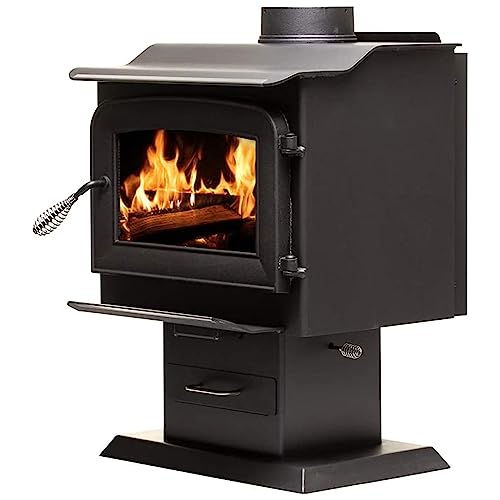
To reduce fuel costs and heat loss, it's essential that your shed or cabin be properly and properly insulated. Insulation can also reduce dampness and enhance the fire safety.
Size
A shed log burner can be used to heat a summerhouse or a shed. It is important to select the right stove and be sure it meets all safety standards. A stove that is too big won't be capable of properly venting and will also quickly soot up the flue. On the other hand, a stove that is too small will not be in a position to heat the room effectively.
First, you'll need to determine the size of the shed and then decide on the best location for the stove. Once you've identified the spot then you'll need to build an area for the stove to sit on. The hearth should be at least 12mm in thickness and constructed of a non-combustible product. The safe distance between a single-wall flue pipe and any combustible materials is 3x the diameter of the pipe, but this can be reduced by using an insulative board as shielding.
Once you've constructed the hearth, you can then put in the stove. Based on the type of stove you want to install, you may need to purchase a stove door, a stovepipe or damper. Install a carbon monoxide alarm in your shed or cabin because they are smaller than homes, and they can swiftly fill with CO gas.
If you're installing a stove in the shed, you'll need to install a flue liner for safety and to stop condensation. Flue liners are available at most hardware shops and can be cut to the correct length. Make sure you make use of tin snips or a can opener to open the lid and bottom of the can, and make sure to bend any sharp edges within.
Safety
Shed wood burning stoves are effective and comfortable, however they must be installed safely. This includes the correct installation and use of the stove as well as an alarm for carbon monoxide and a fire extinguisher. It is also important to keep children and pets away from the stove to minimize the risk of accidents.
Installing your shed stove with an HETAS-registered installer is a good idea. They can ensure that the installation is carried out in accordance with building regulations. This includes the proper distances away from combustible wall. This can eliminate the need for a building control certificate which could save you time and money in the long time.
You should ensure that you are burning well-seasoned, kiln-dried, seasoned wood in your stove in your shed. Don't try to burn treated off-cuts, since this could result in chemical emissions in the flue gases which can cause pollution and reduce the quality of the air. It is also important to ensure that you have a correctly size chimney. A single wall flue system is ideal for most sheds, but if you want to use a double wall stove in your shed, this will require a larger chimney.
The smoke from a wood burning stove is a risk, especially for pregnant or new mothers children, elderly people and even the young. Smoke from a wood-burning stove is a risk for people who suffer from asthma, COPD, heart disease and even cats and dogs.
It is essential to install a fire-proof screen to shield pets and children from sparks and hot coals. A fire log book is also recommended to keep close in the event of an emergency. Our Web Site should also be wary of using charcoal or gasoline starter fluid near the stove in your shed. These substances are highly flammable and could trigger an explosion or flare-up if you make mistakes.
You could be living in a smoke-control area. This will affect the type of stove that you can install. You must select the right log stove that has been approved by DEFRA.
Installation
A log burner in your summer house or shed is a great idea and can bring you closer to nature in a way that just cannot be done with a standard fireplace in your home. A log burner in your garden or shed is a wonderful focal point for family gatherings and socialising. It also lets you to take in the beautiful outdoors from the comfortable confines of your home.
When you are installing a wood burner in a shed it is important to consider the dimensions of your summerhouse or shed and the amount of output you require from the stove to properly heat it. You'll also need to consider if you live in a smoke-control area and if there are local regulations on planning that might affect your installation. Ideally, you should consult with a HETAS certified installer to assist you plan and installation.
If you decide you would like to install a wood burner for your shed, the first thing you'll have to do is determine the proper size flue pipe your shed can accommodate. This is typically a simple process and the company that sells your stove will be able to guide you on this. Once you know the size flue pipe you'll require then you can begin to look into shed log burners that will work for your summer house.
After you have decided on the ideal stove for your shed or summerhouse, you will need to prepare the area for installation. This includes removing any materials that could ignite and ensuring that there is an adequate distance of 1m from the shed to the front edge of the chimney stack. It is also advisable to ensure that the stove is placed at least 2m away from the nearest combustible wall, and that any combustible materials in the shed are surrounded with fire boards or lined with insulation.
The hearth should be made of non-combustible materials and at least 12mm in thickness. You can use any kind of concrete or stone for example, but you should be careful not to use sand since this could compromise the stove's performance and cause a chimney fault. You'll also need a pair of twin wall flue pipes, a class D air vent and chimney cowl.
Maintenance
Shed wood burners are generally safe to use provided that there is good ventilation and a smoke alarm installed. If you plan to install a wood burner in your shed, ensure that the electrical installation is approved by an electrician and any flammable material is kept away from the stove.
It is essential to clean the glass and flue of your shed log burner. Make use of a small amount vinegar to clean the inside of your stove's glass. Be careful not to spill vinegar on the burner. You can also use a mild solution of water on paper towel to clean the exterior of the glass for the log burner.
Remember that shed log heaters are designed to make use of dry seasoned firewood. The logs' moisture content must be below 20%. The best way to check the moisture content of your logs is to use a wood moisture meter. Place your wood in an area that is well ventilated. Keep flammable items such as furniture and curtains out of the shed. It is also an excellent idea to have the chimney swept at minimum once a year.